
Antelia Bee Park, Cyprus – A Complete Visitor Guide
Tucked into the quiet countryside near Dasaki Achnas, overlooking the still waters of Achna Dam, Antelia Bee Park is one of the most refreshingly different days out you’ll find in Cyprus. This is not another beach, waterpark or theme park promising thrills and queues. It’s an eco-tourism and educational attraction built entirely around one small, hard-working creature: the honeybee.
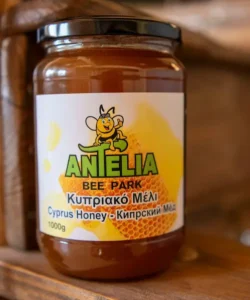 Founded by Antonis Ilias, a fifth-generation beekeeper, the park spans roughly 18.5 decares of gardens, orchards, walking paths and exhibition space, all designed to show visitors how bees live, how honey is made, and why these tiny insects matter so much more than most of us ever stop to consider. If you’ve spent a few days on the beaches of Ayia Napa or the sands of Protaras and fancy a slower, greener pace, this is exactly the change of scenery you’re after.
Antelia Bee Park suits a wide range of visitors. Families will find it genuinely engaging for children, who tend to remember a live hive demonstration long after they’ve forgotten the theme park down the road. Couples looking for a quiet, unusual outing enjoy the gardens and the dam views. Photographers get flowers, textures and golden-hour light over water. Schools and educational groups get a hands-on biology lesson that no classroom can match. And nature lovers, birdwatchers and eco-tourists will appreciate a site that treats conservation as its whole reason for existing, rather than an afterthought.
Bees are, without exaggeration, one of the most important species on the planet for the food we eat. Roughly a third of everything on your plate depends in some way on pollination, and honeybees are among the most effective pollinators we have. A visit to Antelia Bee Park makes that abstract fact feel real: you’ll see the plants they need, the hives they build, and the honey that results, all in one place. Expect a couple of unhurried hours spent walking through gardens, learning at exhibits, watching bees at work, and quite possibly tasting some genuinely excellent Cypriot honey before you leave.
About Antelia Bee Park
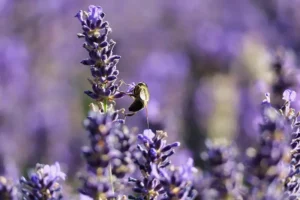 The park was built around a simple but ambitious vision: to combine education, conservation and tourism in one place, and to do it in a way that actually benefits the local landscape rather than paving over it. Antonis Ilias and his family have spent years developing the site, planting the great majority of its trees from seed themselves rather than buying in mature stock.At the heart of the project sits honey production and bee conservation. The park keeps working hives and demonstrates the full journey from flower to jar, covering pollination, wax, propolis, royal jelly and the delicate process of raising new queens. Around 750 trees across roughly 50 species have been planted on site, alongside an estimated 5,000 aromatic shrubs and herbs, all chosen because they support bee foraging and biodiversity. Lavender and thyme feature heavily, both firm favourites with local bee populations and gloriously fragrant for visitors walking the paths on a warm afternoon.
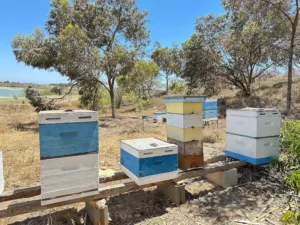 Native and pollinator-friendly planting sits alongside organic fruit trees, including olive, pomegranate, fig and grapevine, so the park doubles as a working orchard as much as an educational exhibit. This is sustainable tourism in a fairly literal sense: every plant, path and pond has been placed with the bees, and the wider ecosystem around Achna Dam, in mind. The result is a site that manages to be both a serious conservation project and a genuinely pleasant place to spend an afternoon, which is a harder balance to strike than it sounds.
What You’ll Discover
Antelia Bee Park rewards slow exploration rather than a quick lap. Here’s what’s waiting inside:
- Observation areas and a rooftop terrace – the park’s canteen building has a roof terrace set up specifically for observing the flora and fauna of Achna Dam, making it one of the best vantage points in the area.
- Bee exhibits and an open-air beekeeping museum – traditional hives and beekeeping equipment are displayed outdoors, some still in working order, giving a real sense of how Cypriot beekeeping has evolved.
- Live hive areas – where conditions and season allow, visitors can safely observe bees at work up close, a highlight for children and adults alike.
- Honey production displays – exhibits walk through the processes behind honey, pollen, propolis, royal jelly and queen rearing in accessible, visual detail.
- Bee products for sale – raw honey, beeswax items and related products produced on site or by local partners.
- Gardens and bee-friendly planting – sweeping beds of lavender, thyme and other aromatic herbs, plus cactus gardens that add an entirely different texture and colour palette to the grounds.
- Walking paths – specially designed routes wind through the whole site, shaded in places by the park’s growing tree canopy.
- A small lake and water features – a pond and traditional-style irrigation channels add a calming, reflective element to the gardens.
- A children’s play area – landscaped specifically for younger visitors, tucked among the greenery rather than bolted on as an afterthought.
- Hexagonal pavilions – several structures around the site echo the honeycomb theme, doubling as shaded rest spots and photo opportunities.
- Outdoor exhibits and points of interest – including a traditional well and various interpretive displays dotted along the paths.
- A viewing platform overlooking Achna Dam – arguably the single best photograph you’ll take all day, particularly in the soft light of early morning or late afternoon.
Guided Tours & Workshops
Antelia Bee Park is built for structured learning as much as casual wandering, and its programme of tours and workshops is a big part of what makes it worth the drive out from the coast.
Guided educational tours talk visitors through the life cycle of the hive, the mechanics of pollination, and the day-to-day work of a modern Cypriot beekeeper. These tours are pitched to be accessible for all ages, translating fairly technical apiculture into something a ten-year-old and their grandparent can both follow and enjoy.
Honey tasting sessions are a highlight for most visitors, offering a chance to sample different varieties and understand how flavour changes depending on which flowers the bees have been foraging that season. Beeswax demonstrations show how this often-overlooked byproduct is processed and used, from candles to cosmetics.
The park also runs dedicated workshops aimed at deeper hands-on learning, and welcomes school visits as part of its core educational mission — many groups from schools around the Famagusta district make the trip as part of environmental studies programmes. Family experiences are designed to keep children engaged with interactive elements rather than passive viewing.
Beyond day-to-day visits, the park has expanded into hosting seasonal events, corporate visits and even private functions and weddings, thanks to its expansive grounds and capacity for larger gatherings. If you’re planning something more than a casual visit, whether a school trip, a team day out or a celebration among the gardens, it’s worth contacting the park directly in advance to arrange the details.
Why Bees Matter
It’s easy to take honey for granted at breakfast without thinking much about where it came from, but the story behind it is genuinely remarkable, and it’s the whole reason Antelia Bee Park exists.
Pollination is the headline act. As bees move from flower to flower collecting nectar, they transfer pollen between plants, allowing them to reproduce. A huge share of the fruits, vegetables and nuts we eat depend directly on this process, from almonds and apples to cucumbers and courgettes.
Biodiversity benefits enormously from healthy bee populations, since pollination supports the reproduction of wild plants as well as cultivated crops, which in turn sustains the insects, birds and animals that depend on those plants for food and habitat.
Agriculture across Cyprus, as elsewhere in the Mediterranean, relies on both wild and managed bee populations. Local farmers benefit directly from healthy hives in the surrounding countryside, making beekeeping a quietly important part of the island’s rural economy.
Honey production itself is a fascinating process worth understanding, from nectar collection through to the evaporation and enzymatic changes that turn it into the thick, stable honey we recognise on a supermarket shelf.
Native plants such as thyme, lavender and various wild herbs have evolved alongside local bee populations over thousands of years, and planting more of them, as the park does extensively, directly supports bee health and numbers.
Conservation and environmental sustainability are increasingly urgent concerns globally, as bee populations face pressure from habitat loss, pesticide use and disease. Educational sites like Antelia Bee Park play a genuine role in building public awareness of these issues, one visitor at a time.
Visitor Information
Antelia Bee Park is located in the countryside near Dasaki Achnas, close to Achna Dam, within the Famagusta district. It’s easily reached by car from Protaras, Paralimni, Ayia Napa or Larnaca, and having your own vehicle is by far the most practical way to get there, since it sits outside the main coastal towns.
- Parking: On-site parking is available for visitors.
- Accessibility: Paths are generally level and suitable for pushchairs, though some areas may be uneven underfoot; visitors with specific accessibility needs should contact the park in advance to check current conditions.
- Opening hours: The park operates seasonal winter and summer hours, with longer hours over weekends. Always check the official Antelia Bee Park website or call ahead before travelling, as hours can change with the season.
- Admission: Entry pricing is best confirmed directly with the park before your visit, as this can vary.
- Footwear: Comfortable, closed-toe walking shoes are recommended given the garden paths and outdoor terrain.
- Weather: Summer visits can be hot with little shade in open sections, so bring water, sun protection and a hat; spring and autumn offer noticeably more comfortable walking conditions.
- Time to allow: Budget at least 1.5 to 2 hours to see the park properly, longer if you’re joining a guided tour or workshop.
- Facilities: An on-site canteen with a rooftop terrace serves refreshments, and there are rest areas dotted throughout the grounds.
Best Time to Visit
Spring is arguably the park’s finest season, when the gardens are at their most colourful and bee activity is at its peak, with lavender, thyme and wildflowers all competing for attention. It’s also the most comfortable time to walk the full site without the summer heat.
Summer evenings bring a different atmosphere entirely, with the heat of the day easing off and the light turning golden over Achna Dam. If the park’s summer hours allow an early evening visit, this is a lovely time for a relaxed wander.
Autumn brings its own colours as the orchard trees change and the heaviest summer crowds along the coast thin out, making for a quieter, more contemplative visit. Winter visits are entirely possible too, with the cooler air making walking more comfortable, though some plants and hive activity will naturally be less active than in warmer months.
For photography, aim for the first hour after opening or the last hour before closing, when the light is soft and low, particularly over the water at the dam viewing platform. Families with young children often find late morning to early afternoon works best, once any early chill has burned off but before peak summer heat sets in.
Photography Tips
 The viewing platform overlooking Achna Dam is the standout shot at Antelia Bee Park, especially in golden hour light at either end of the day, when the water takes on a soft amber glow. From the canteen’s rooftop terrace, you get a wider panoramic angle over both the gardens and the dam beyond.
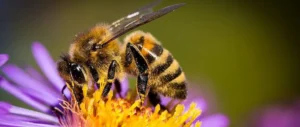
For wildlife photography, patience pays off around the hive areas and flowering shrubs, where bees are constantly on the move. A longer lens or a phone’s macro mode both work well for capturing bees mid-pollination on lavender and thyme blooms. The cactus gardens offer striking textural close-ups, particularly with strong midday sun creating deep shadows and highlights.
For landscape shots, the tree-lined walking paths photograph beautifully in dappled light, and the hexagonal pavilions make for an unusual architectural focal point against the greenery. Flower photography is best tackled in the morning, before the heat of the day causes blooms to wilt slightly and before the light becomes too harsh and flat.
Explore Nearby Attractions
Antelia Bee Park sits in a genuinely central spot for exploring the wider Famagusta countryside and coast, with plenty within a half-hour’s drive.
Achna Dam is right on the park’s doorstep, effectively a two-minute drive or even a short walk depending on where you’re parked. It’s worth a slow circuit for birdwatchers, and pairs naturally with a bee park visit as a single, unhurried countryside morning.
Dasaki Achnas itself, the village the park is named after, sits just a few minutes away and offers a glimpse of quieter, rural Cyprus away from the resort towns.
Liopetri River and Potamos Liopetriou are around a 15 to 20-minute drive away, offering a picturesque fishing-boat harbour and riverside tavernas that make an excellent lunch stop after a morning among the bees.
Ayia Thekla Beach is roughly 20 to 25 minutes away by car, a quieter and more low-key stretch of sand than the busier resort beaches, ideal for an afternoon swim after a morning of walking.
WaterWorld Waterpark, around 25 minutes from the park, is the obvious choice if you’re travelling with children who want a splash-around after the more educational morning at Antelia.
Ayia Napa Marina, roughly 25 to 30 minutes away, makes for a lovely evening finish to the day, with waterfront dining and a scenic calendar of events and food festivals throughout the year.
Sotira village, about 15 minutes away, is worth a detour for its traditional square and small-town Cypriot character, a good contrast to the eco-tourism focus of the bee park.
Xylofagou, around 20 minutes distant, offers another slice of authentic village life along with easy onward routes towards Larnaca.
Ayia Napa town, roughly 25 to 30 minutes away, rounds things out with its beaches, harbour and evening dining scene, and pairs naturally with a quieter morning spent among the hives.
Cape Greco National Forest Park, about 30 to 35 minutes’ drive, is well worth combining with a bee park visit if you’re building a full day around nature and the outdoors — read more in our guide to Cyprus experiences, and see our dedicated Konnos Bay beach guide for the beach at its edge.
Suggested Day Itinerary
Morning: Arrive at Antelia Bee Park for opening. Allow around two hours to walk the gardens, visit the exhibits, join a guided tour if available, and pick up some local honey from the on-site shop.
Lunch: Head to a traditional taverna near Liopetri or Sotira for a relaxed Cypriot meze lunch.
Afternoon: Take a slow loop around Achna Dam, then drive on to Liopetri River and Potamos Liopetriou for photographs of the fishing boats, before finishing with a swim at Ayia Thekla Beach.
Evening: Wind down with dinner and a stroll at Ayia Napa Marina, or, for a quieter finish, catch sunset views back towards Protaras and Cape Greco.
Local Food Recommendations
The villages and coastal towns around Antelia Bee Park are well stocked with traditional tavernas serving genuine Cypriot meze, so plan to arrive hungry. A proper meze spread typically runs to a dozen or more small dishes, and often includes grilled halloumi, kleftiko (slow-roasted lamb or goat), sheftalia (grilled minced meat wrapped in caul fat), and a rotating cast of dips, salads and grilled vegetables.
Along the coast towards Liopetri and Ayia Napa, fresh seafood tavernas are the order of the day, particularly around the fishing harbour at Potamos Liopetriou, where the catch is about as local as it gets. Round off any meal with a Cypriot dessert such as loukoumades (honey-soaked dough balls) or galaktoboureko, and, appropriately enough after a morning at the bee park, look out for menus that use local Cyprus honey rather than syrup — it makes a genuine difference.
Family-Friendly Features
Children tend to respond to Antelia Bee Park in a way that’s quite different from a standard sightseeing stop, largely because so much of it is designed for interactive learning rather than passive looking. Watching real bees at work, close enough to see the detail but safely managed, tends to make a bigger impression than any wildlife documentary.
The nature walks are gentle enough for most ages, the gardens give children plenty of open space to explore safely, and the dedicated play area gives younger visitors somewhere to burn off energy between exhibits. The educational displays are pitched to be genuinely engaging rather than purely academic, which keeps most children interested for longer than parents often expect.
Sustainable Tourism
Antelia Bee Park works because visitors treat it with a bit of care and respect, and a few simple habits go a long way toward keeping it that way for future guests.
- Respect the bees and hive areas, keeping a sensible distance unless invited closer as part of a guided demonstration.
- Stay on marked paths through the gardens rather than cutting across planted beds.
- Avoid picking flowers, herbs or fruit from the trees, since these plantings are there specifically to support the bee population.
- Support the park directly by buying honey and bee products on site, which helps fund ongoing conservation work.
- Practise general responsible tourism habits: take rubbish with you, keep noise reasonable, and follow any specific guidance given by staff during tours.
Frequently Asked Questions
Where is Antelia Bee Park?
It’s located near Dasaki Achnas, next to Achna Dam, in the Famagusta district of Cyprus.
Is it suitable for children?
Yes, the park is designed with families in mind, including a children’s play area, gentle walking paths and educational exhibits pitched at a range of ages.
Can you buy local honey there?
Yes, honey and other bee products produced on site are available to purchase.
How long should I spend there?
Most visitors should allow at least 1.5 to 2 hours, longer if joining a guided tour or workshop.
Is it wheelchair accessible?
Paths are generally level, though some outdoor terrain may be uneven. It’s best to contact the park directly ahead of your visit to check current accessibility.
Are guided tours available?
Yes, guided educational tours covering bees, pollination and honey production are part of the park’s regular programme.
Is there parking?
Yes, on-site parking is available for visitors.
Can I visit all year?
Yes, the park operates with seasonal winter and summer hours; check the official website or call ahead before travelling.
Are pets allowed?
Policies can vary, so it’s best to check directly with the park before bringing a pet along.
Can I combine the visit with Achna Dam?
Absolutely — Achna Dam sits right next to the park and makes a natural addition to your visit, particularly for birdwatching or a scenic walk.
Is there somewhere to eat on site?
Yes, the park has an on-site canteen with a rooftop terrace overlooking the dam.
Can the park host events or private groups?
Yes, in addition to regular visits the park welcomes school groups, corporate visits and private functions such as weddings; it’s best to contact them directly to arrange details.
Start Planning Your Visit
Antelia Bee Park is proof that some of the most memorable days out in Cyprus have nothing to do with beaches or nightlife. Pair it with a swim at Green Bay, an evening at Ayia Napa Marina, or one of the island’s other local-approved experiences, and you’ve got the makings of a genuinely well-rounded trip. Browse more family-friendly attractions, nature guides and hidden gems across GoVisitGo Visit Cyprus, including our roundup of hidden gems in Cyprus, to keep building out your itinerary.

 //
//